Strolling the streets of the medieval city of Fez, Morocco's cultural and religious center, feels like traveling back in time. The medina of Fez el Bali, which UNESCO has recognized as a World Heritage site, seems particularly to be frozen in a long-lost era. Its layout, dating from approximately A.D. 800, is framed by ten miles of fortified walls with many entry gates. Cars are not permitted within, so donkeys do the hauling. Along Tala Kebira, a primary shopping route that leads through the medina and into its souk, or bazaar, men sit in stalls, weaving fabric, carving buckets and cobbling pointed slippers called babouche. Colorful rugs flap overhead.
In the medina (an old, non-European part of a North African city), modern shoppers may think they are in the Middle Ages, but they will appreciate the meticulous crafting of the beautiful wares for sale. Of Fez's roughly quarter of a million inhabitants, a remarkable 30,000 are workers skilled in the applied arts, as I learned when I traveled there this past June. I came at the invitation of my friend Stephen di Renza, a Paris designer (originally from Philadelphia) and the former art director of British luxury purveyor Dunhill, who owns a villa there.
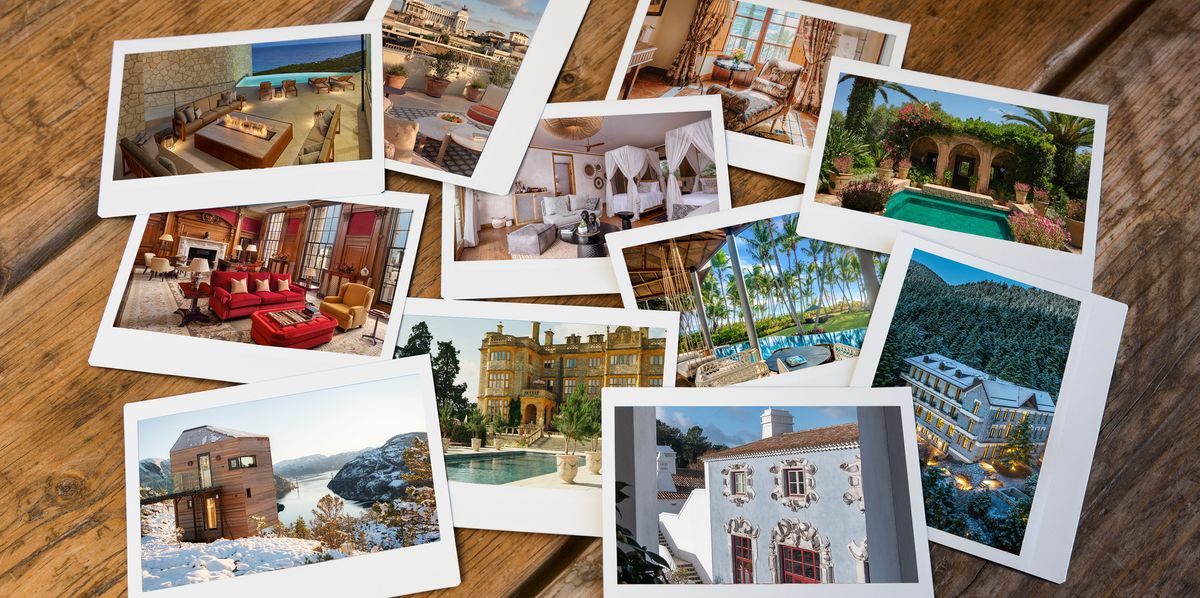
On arriving in Morocco in 2000, Stephen was so captivated by Fez that instead of sightseeing, he went shopping for real estate. (He is far from alone; in recent years the number of second-home owners in Morocco has grown substantially, especially those with residences in Marrakech.) Stephen purchased a small 18th-century palace near the end of Tala Kebira and began restoring it. When he finished his home, called Riad Numéro 9, he had acquired valuable experience in refurbishing architectural details and had become a connoisseur of Fez's markets.
So I awoke on my first day there full of excitement, knowing that I would explore the medina with Stephen as my guide. (One of the perks of staying at Riad Numéro 9, which Stephen rents when he is not in residence, is that the caretaker, Adil Barhid, can arrange for a dependable guide to conduct visitors around Fez.) Here are some important things to do to get the most out of this ancient city.
You'll find the best shopping in Fez el Bali. Tala Kebira, or Great Ascent, is a main road alongside which are most of the crafts-people and the superlative food market. If you speak French, you should be able to navigate Tala Kebira without too much difficulty. The mazelike souk is a section of the medina in which cramped stalls, grouped by type of merchandise--leather, textiles, mirrors--have been built, sometimes obscuring the excellent antiques stores behind them. There are no signs or guideposts, so foreigners should be prepared to get lost, which is part of the fun of visiting the place.
Even Stephen still seeks the assistance of locals, especially in the souk. Be aware, however, that guides often supplement their fees through under-the-table commissions from their customers' purchases. As a result, you are taken not necessarily to the best goods but to your guide's best friends. To keep this from happening, Stephen advises, prepare a detailed list of the items you're most interested in buying. "Tell your guide you will add a tip if you find exactly what's on the list," he says. Guesthouses and hotels can assist in booking someone reliable (the standard daily fee is forty dollars).