The cultured traveler knows that patience pays off, and late arrivals can sometimes be the best-timed. So while Phelps-crazed sports fans streamed into the Chinese capital this August to contend with Olympic-sized crowds of foreign tourists and Beijing's infamous summer smog, we turned our sights to the Beijing Music Festival (October 2-19.) Now in its eleventh incarnation, it's the largest classical music festival in the Eastern hemisphere, with not a flame-haired "Fuwa" mascot in sight.
This year Long Yu, conductor and founder of the China Philharmonic, leads a program that, while largely focused on the Western canon, features Chinese singers and musicians performing on several nights with their counterparts from Europe and North America. Soprano Hui He, who had her New York Philharmonic debut earlier this year, is one of these to watch. She sings selected movements in the title roles of Aida and Tosca with the Deutsche Oper Berlin on the 9th.
Performances like this may misrepresent the true significance of a Beijing-based classical music festival though. Mastery of the Western repertoire by Asian performers is not a new phenomenon. More notable then, are the works in the program that draw on non-Western sources for inspiration.
There is, for example, the China premier of Korean composer Unsuk Chin's exuberant Rocana -- Sanskrit for "room of light" -- on the 4th, praised as "a riot of cosmic energy" at its March debut. And also the inventive Heroine Trilogy (pictured) by Li Liuyi and Guo Wenjing on the 18th, which tweaks the staging and score of three traditional Chinese operas for its modern audience. No easy task, considering the centuries-old legacy of Chinese opera and what some call its strident musical signature. Still, these works succeed in reminding us that "classical" music is, ultimately, bound by chronology, not geography.
Ponder these thoughts as you exit the recently renovated Forbidden City Concert Hall and weave your way through the courtyards of Zhongshan Park, a swath of sculpted gardens bordering the ancient imperial palace. When the weather begins to cool in early fall and rare glimpses of blue skies can be had before coal-burning furnaces are fired up for the frigid winter, it's hard to imagine being in Beijing at any other time of year.
BEIJING MUSIC FESTIVAL
October 2 - 19
Performance times and venues vary.
For full schedule visit: bmf.org.cn
Wall Street may be in turmoil, but stylish Scottsdale -- never short on lux -- is spending money on itself like nobody’s business. The upgrade? A new $3.5 billion development project that’s given the city a royal flush of new eateries, bars, hotels and boutiques and spiffed up the surrounding area (not that it was ever unkempt) in ways the founding townsfolk of this former sheep-herding town would never have imagined.
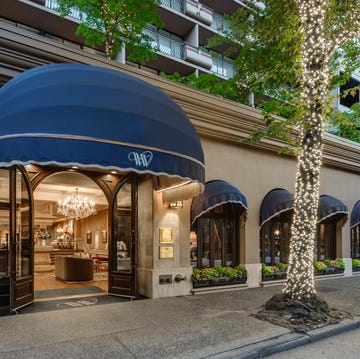
Additions include a new W Hotel (with Sushi Roko and Bliss Spa), an extensive $325 million Spanish-themed Intercontinental Montelucia Hotel (still under construction), a new full moon holistic program at Boulders Resort’s Golden Door Spa and 13 new multi-million dollar private rentable villas run by Bella Palazzo. Big budgeted rehabs are in season too. An exhaustive $17.5 million rehab of the Four Seasons Troon North, a bright new bar/lounge (Edge) at the Sanctuary Camelback, a $50 million overhaul of Camelback Inn (including a new BLT Steak to come in recent months), and fancy new renovated suites at the Phoenician and Royal Palms have been added to the fray.
But the upgrades aren’t limited to places requiring checking in and out. Development has finally moved beyond the tourist path with the Southbridge and Scottsdale Waterfront development projects, two big budgeted concepts of note that have made the resort-stuffed town a bit more resident friendly. The latter project, costing $250 million, has brought women’s boutiques like Estilo, and a handful of higher-end chains stores (think Sur Le Table) to a formerly derelict stretch along the ancient Arizona irrigation canal. The $41 million Southbridge project, headed by developer Fred Unger, is located along the south bank of the canal, and marked by a slew of new chic casual eateries like Foodbar, Estate House, and Digestif (run by Peter Kasperski of Cowboy Ciao and Kazimierz World Wine Bar fame). Another newcomer, Canal, has added fashion shows to their weekend brunches, making them a guaranteed hit among the golfers’ daughters and wives.
I personally recommend dropping your bags off at the Four Seasons Troon North (like I did on a recent visit), on the outskirts of town in a pristine 4,000-acre desert preserve. Unlike some of the area’s theme-y resorts, the 210 refurbished casitas -- led by Dallas-based Paul Duesing Partners -- blend seamlessly into the desert.
Have the concierge arrange a guided hike with local guide partner Arizona Outback Adventures, run by Seth Heald, a dashing but soft-spoken herpetologist, and his equally charming team of guides, all eager to show you the beauty of the desert on a customized hike. Look for desert hares, sororo cacti and vermillion palo verde trees along your trek. The tranquil property has also recently added a lovely open-air restaurant, Talavara, where guests are offered spectacular views of the city while dining on Chef Mel Mecina’s soft pumpkin soufflés, juicy buffalo tenderloins and fresh heirloom tomatoes topped with Burrata cheese, all under a circling swirl of mysterious ghost-white nighthawks who nest in the cliffs nearby. And not to worry if the recent economic woes have hit you hard. Troon is one of the chain’s most affordable Four Seasons properties, at $349/night, plus a “third night free special” running through the autumn, which is cheap enough to put a smile on even the most forlorn Wall Street trader’s face.
There are certain travel experiences you don't forget, when food,
culture and landscape all intersect perfectly. Traveling by train
aboard the Orient Express Northern Belle (pictured, courtesy Oriental Express) in
England was definitely one of them. As waiters wheeled the cheese board
in, the emerald, sheep-speckled hills of England rolled by the window.
Though the Brits are generally a reserved bunch, at the end of each
meal, (lunches and dinners) the gigantic cheese board was ushered down
the car's gilded aisles by two porters, creating a domino-effect
cacophony of "Lovely!" "Smashing!" and "Fantastic!" as it passed each
row of delighted travelers.
The
journey primed us for more travel by rail, so we've compiled a list of
where we'd love to go next: our wish list of luxe rail journeys -- ten
in all, each offering its own memorable symphony of land, food and
culture.
1. El Transcantabrico, Northern Spain
Route: 7 nights; Santiago de Compostela to León along the Cantabrian coast
Berths: Double beds, private bathroom with hydro-sauna, individual a/c and heat controls.
Landscape and trip highlights:
Hugs the Cantabrian Sea through Spain's Green Coast. Pass high jagged
mountains and lush green meadows, pristine beaches and rugged coastal
cliffs with stops in Santillana del Mar, Santander, and the Bilbao
Guggenheim Museum.
Sample meal: Most meals served in local
restaurants. Breakfast buffet includes fresh orange juice, local
cheeses and meats, breads, and coffee.
Cost: $3,400 per person/double cabin, includes all meals, wine, hotels, and coach tours.
2. Orient Express Northern Belle, Grand Tour U.K.
Route: 6 nights; London to Edinburgh to Oban to Wales to London
Berths: None. Guests stay at luxury hotels.
Landscape and trip highlights:
Steam past rolling hills, rain-swept harbors and steep, narrow mountain
passes, with stops in the towns of York, Oban, Isle of Mull, Edinburgh,
Chester, Portmerien, Wales and Bath.
Sample meal: Slow confit
of duck with cider sauce,
bubble and squeak, and braised red
cabbage.
And the aforementioned Great British cheese board: a massive selection
of local cheeses, with "guest cheeses" from the local towns visited on
the journey, follows all meals.
Cost: $6,400 per person includes all meals, wine, hotels, and coach tours.
3. Orient Express Hiram Bingham, Peru
Route: 3.5 hours; Cusco to Macchu Pichu
Berths: None.
Landscape and trip highlights:
Descend from the Andean highlands into the Cloud Forests hugging the
Inka Trail, while chugging past Sacred Valley agricultural plains, lush
waterfalls, and the babbling waters of the Urubamba River.
Sample meal: Olive corn tamales with salsa,
fine herbs omelet, crayfish, and alpaca loin roast with elderberry compote.
Cost: $588 includes ticket to Macchu Pichu, alcohol, meals, and coach transportation.
4. Rovos Rail, South Africa
Route: 5 nights form Cape Town to Victoria Falls, Zimbabwe
Berths:
Refurbished air-conditioned 2-person suites that Rovos claims are the
largest in the world, decked out in wood paneling, Edwardian furniture,
and twin or double beds. 24-hour room service and en suite bathrooms
with vintage fittings, including Victorian bath and shower, are
included.
Landscape and trip highlights: Encounter the
world's largest man-made diamond excavation, the historic village of
Matjiesfontein and the spectacular mountain ranges and scenic wine
lands of the Cape.
Sample meal: Ostrich sausages, kudu kebabs, and a guinea fowl curry served with a locally grown Rudera Chenin Blanc.
Cost: $2650 per person in Pullman Suite. Includes onboard alcohol, excursions, meals and hotels.
5. Deccan Odyssey
Route: 7 nights; Mumbai to Goa to Pune to Mumbai
Berths:
Air-conditioned salons, with 4-twin bedded chambers decked out with
music channels, intercoms, CD/MP3 players, attached toilets and
showers. Also on board: Ayurvedic spa, gym, steam bath,
conference-room/dance club, beauty parlor and business center.
Landscape and trip highlights:
Rumble through eastern India's majestic state of Maharashtra past
beautiful Arabian Sea beaches, antique palaces, and jungle-cloaked
Buddhist caves, including stops in Mumbai, Ganpatipule, Ratnagiri,
Sindhudurg, Goa, Pune, Aurangabad, Ajanta and Ellora.
Sample meal: Dosa crepes, lamb biryani, creamy chicken Mughal style, and chilled Alphonso Mango soup.
Cost: $4,480 for double (2 to a berth) includes onboard alcohol, excursions, meals and hotels.
More can't-miss rail trips after the jump...
Read MoreMy Avianca flight to Bogotá from JFK was remarkably brief (5 hours) and like many short hauls these days, it was also remarkably bereft of a good meal.
Fortunately Bogotá -- the almost 2-mile high city with a population equal to New York City -- was eager to show off its chic new dining scene, reminiscent of its insouciant southern neighbor, Buenos Aires, but even more varied.
Unlike the stylish Poretños and their carne-forward parillas, Bogatanos embrace a sweeter cuisine, marked by the equatorial country's abundance of tropical fruits like the uber-fragrant lulo and the tangy tomate de árbol, both members of the nightshade family. Fried mainstays like arepas, empanadas, and chicken-based soups like sancocho, and ajiaco are ubiquitous on menus throughout Colombia and still favored over many international cuisines. But palates are changing in Bogotá as chefs and restaurateurs from all over Latin America swoop in to take advantage of the capital's affordable rents. This trend, paired with the city's 63% drop in crime over the last decade, has given birth to a generation of disposable incomes and adventurous palettes that mark Bogotá's stylish new dining class.
I started my grazing tour in Bogatá's Zona G (Gourmet Zone) at the mod and light-filled Rafael (pictured), popular with Bogotá's impeccably-tailored lunch set, and decorated with naughahyde banquettes, giant glass walls crisscrossed with frosted stripes, and rich wood wine-racks separating the dining room into distinct sections. In typical celeb-chef fashion, the dashing Peruvian Chef Rafael Osterling -- who owns a small chain of eponymous restaurants in Lima, China Beach, Peru, and Bogotá -- was absent during my visit due to the opening of another new Rafael in Buenos Aires. Still, his 25-deep kitchen staff expertly prepared dishes like Chilean salmon sashimi with avocado tartar sauce, crispy shrimp tempura atop a mango and Cajun spiced nut salad, roasted sea grouper in squid ink and Spanish ham broth, and tender lomo saltado with pisco and black-beer perfume. I followed it all with a banana and Nutella cheesecake.
My eating tour continued to the La Macarena neighborhood for a cozy dinner at Cocina y Cava (Calle 27B, No 6-75), largely considered the city's most exclusive restaurant and run with much love by Cartagena-born chef Leonor Espinosa, known for her coastal home-cooked dishes. Creations like sea bass wrapped in fragrant banana leaves with raisins, prawns in coconut milk, coriander and paprika and raw tuna encrusted with Santanderean ants (a Colombian specialty) brought unique flavors to traditional Colombian comfort foods, something Leonor takes great pride in. Other notable upscale newcomers include the French-influenced Criterion, run by brothers Jorge and Mark Rausch, the colorful Oia Med Bistro (Calle 70A # 5-67), housed in an elegant brick mansion, and 8o Sillas (Calle No. 118. 7-09), a flashy cevicheria painted with chalkboard walls listing out endless variations of raw fish and fruit.
It had been a remarkable rise to culinary distinction for Le Cinq when, in 2003, it captured its third Michelin star in just three years of operation. Under chef Philip Legendre, the restaurant, located in Paris's historic Four Seasons George V hotel, delivered impossibly refined, modern classics like the black Périgord truffle tart, and wood-smoked lobster with chestnuts.
Then, in February 2007, Le Cinq lost its third star. Fourteen months later, Legendre threw in his toque there too. Suddenly, the restaurant that had so quickly shot up the ranks was in need of fresh talent.
Enter new executive chef Eric Briffard, who may be the catalyst for Le Cinq's renaissance. Having earned two stars each at his last two engagements -- the Plaza Athénée's Régence and Hôtel Vernet's Elysées -- Briffard now faces the challenge of recovering Le Cinq's third star.
A few weeks ago I had the pleasure of staying in Paris at the George V, and made a reservation for dinner to see Briffard in action. It was lucky timing. My Gourmet Tasting Menu (210 euros, not including drinks) straddled new and old, with Briffard debuts alongside Legendre standbys.
Cultivated under the peerless Joël Robuchon at Paris's Jamin, Briffard's technical prowess was no surprise. Take his answer to Legendre's lobster, served in two dishes side-by-side. The first was an exercise in restraint, with tender claw-meat in a delicately herbed broth of natural juices that resonated with deep, briny notes. The second, in contrast, was a more intricate pairing of lobster tail with brousse cheese gnocchi and vanilla-scented fennel. Other sophisticated combinations popped up elsewhere in the meal: seaweed flavored Breton butter, chilled sheep's milk yogurt brightened with olive oil.
Service was prompt, personal and genuinely warm -- a Four Seasons signature perfected here by the George V staff.
Briffard (pictured right) premieres his first full menu this fall, providing an exciting opportunity to witness his vision for a renewed Le Cinq. If waiting for Michelin's 2009 ratings has you drumming the table in anticipation, book a meal on your next Paris trip and judge for yourself whether Le Cinq's star is once again on the rise.
Le Cinq
Four Seasons Hotel George V
31 Avenue George V
75008 Paris, France
+33 (0) 1 49 52 70 00
A few blocks off the bustling pedestrian thoroughfare of Karl Johans Gate, in the heart of central Oslo, lies the city's newest luxury hotel -- albeit one with a decidedly different flavor than the traditional (and traditionalist) high-end standard bearers, The Grand and The Continental.
The most recently added member of the international Design Hotels consortium, the Grims Grenka - which opened in March -- is unabashedly modern, with a stark, art-gallery sensibility that hits guests from the minute they step inside the lobby. With 66 sleekly-designed rooms on six floors, the Grims Grenka bills itself as Norway's "most fashionable hotel," and everything certainly has a patina of cool, with the characteristic Scandinavian twists (think Jensen beds, frosted glass bathroom walls and waterfall shower heads) and slick touches like mirrored walls.
Several categories of rooms and suites offer varying degrees of size and amenities. "Summer" and "Winter" rooms are decorated in subtle shades of green and wintry white, respectively, while larger Garden Suites feature a throne of a bathtub situated on an elevated platform in the main room itself amidst a small, lush indoor garden setting. Among the amenities are the (now obligatory) flat-screen TVs, wireless Internet, and iPod docking stations. Egyptian cotton linens and an incredibly comfortable mattress make it easy to stay in your room and sleep in, though when you're ready to venture outside, the Grims Grenka's smiling, exceedingly friendly staff members are (like most Oslovians) happy to offer suggestions on the best places to eat, drink or hang out.
Be sure to take advantage of the buffet breakfast offered each morning. Smoked Norwegian salmon, herring and an assortment of cereals, breads and pastries provided enough fuel to get me through tours of Akershus Castle, the Royal Palace and the major museums -- all of which are within walking distance from the hotel.
Rounding out the property are the Asian-fusion restaurant MADU and adjacent nightspot, Ghost Lounge, as well as the rooftop Q Lounge (pictured), for those rare balmy Oslo summer nights, all of which are sure to draw after-work patrons from the neighborhood's design firms and galleries. Fitness facilities and an urban spa will be available later this year.
Grims Grenka
Kongens gate 5
NO-0153 Oslo
Tel: +47 23 10 72 00
reservations@grimsgrenka.no
Scent and memory merge at the Paris home of Serge Lutens Parfums, the enchanting fragrance collection with cult followings in France and abroad. Here, at Les Salons du Palais Royal, Lutens spotlights his evocative creations in a dreamy landscape awash in indigo, violet and black (pictured below), where the scent-savvy traveler can sample perfumes sold nowhere else in the world.
Tucked beneath the arcades of the picturesque Palais Royal Garden, Les Salons provides a perfect distraction for visiting fragrance fanatics. Though
only steps away from the Louvre, it nonetheless remains well off the
tourist track.
As Serge devotees know, Lutens releases three
scents each year -- two "Export" scents available at select retailers
globally, and one "Exclusive" scent that can't be purchased in person
outside of Paris. Look for the latter's signature 75 ml bell-shaped
flacons (105 euros), shapely sisters to the lanky bottles sold in the
U.S., when you visit Les Salons.
El Attarine, the latest of the Paris-only scents,
is a golden, spiced-honey fragrance. Just released on August 1, it's
consistent with the olfactory auteur's fixation on the Orient. The
sensual aromas of Marrakech, Lutens' adopted home, haunt much of his
collection. If the thrill of acquiring this Paris-only fragrance isn't
enough, Les Salons also offers thirty limited-edition El Attarine
flacons, intertwined with black arabesques and stamped with Serge
Lutens's initials (850 euros; pictured after the jump).
Either way, the memories of your Paris trip are sure to smell sweet.
Les Salons du Palais Royal Shiseido
142 galerie de Valois
75001 Paris, France
+33 (0)1 49 27 09 09
Our other favorite scent shops in Paris, after the jump...
Read More
While other visitors are trekking the tourist-lined Inka Trail this summer, those in search of the truly untrammeled Peru should take advantage of last minute specials at the private eco-boutique Inkaterra Urubamba Villas, tucked into the mountain hamlet of Higuspucro in the Sacred Valley.
The oft-overlooked spot is an ideal Andean headquarters for exploring the area's rich collection of historical sites and Inca ruins, which are enough to keep you busy for a week or two. But you'll also want to check out the area's Quechua-speaking villages, like the charming walled colonial-Inca town of Ollantaytambo. Visitors can stock up on chichi morada (blue corn beer) and fragrant banana-leaf stuffed tamales at nearby Pisac's Sunday food market, or browse the vendors' stands for baby alpaca wares at Chinchero's excellent handicraft market.
The spacious Andean-style villas at Urubamba are regional highlights themselves. Each of the five deluxe casitas is named after its respective female caretaker (choices include the Villa Sonia or Villa Berta), and comes with wood-stocked fireplaces and 24/7 maid service, which includes tea, laundry and breakfasts like home-cooked quinoa hotcakes and eggs, which were ideal on chilly pre-hike mornings. The homey but stylish interiors are decorated with local tapestries, crafts and antiques, and offer breathtaking views of a surrounding stream-flanked garden, back-dropped by area's surrounding arid mountains.
The villas are expertly managed by an English-speaking concierge team that happily arranges excursions to the above-mentioned places. But be forewarned: the property is so comfy and cozy, you'll be tempted to ditch the activities and stay home in front of a crackling fire with a bottle of Tacama Brut (an excellent Peruvian sparkling wine), or at the very least spend your evenings gazing at Urabumba's unparalleled nighttime stars...which is, after all, how evenings should be spent in August.
800-442-5042
Caserio Higuspucro KM 7, Urubamba - Valle Sagrado de los Incas
Dept. of Cusco, Peru
Trump International Hotel & Tower New York invited Town & Country Travel to the kitchen of its famed Jean Georges restaurant last week for a preview of the ultimate experience in cooking courses: a $9,000 private master class with Jean-Georges Vongerichten.
While showing us how to whip up dishes of charred-corn ravioli and lobster scented with mace (see the video below), Vongerichten -- who was in a fine mood following the four-star review of his new noodle restaurant, Matsugen, in the Daily News -- explained that the class was a response to ongoing requests from guests. Diners have been clamoring for more face time with the chef, and advice on recreating the dishes available at his restaurants, which include the Michelin three-star Jean Georges, JoJo, Vong, Spice Market and Perry Street.
The Jean Georges Master Class, designed for two to four people, takes participants behind the culinary curtain to learn the techniques and secrets of Vongerichten's vibrant cuisine, which favors the intense flavors and textures created from vegetable juices and fruit essences over the traditional use of meat stocks.
Along with the demonstration, guests receive Thursday through Sunday accommodations in an executive park view suite, daily breakfasts for two at Nougatine, dinner and Champagne at Jean Georges, and finally, a signed copy of the multi-faceted master's newest cookbook, Asian Flavors of Jean-Georges (Broadway Books; $40). For more information on booking a class, visit trumpintl.com.
Never has your carry-on seen a more perfect union of fashion and beauty than Derek Lam’s new travel kit, created exclusively for Kiehl’s. His distinct sense of elegance and simplicity (instantly recognizable in his signature sheath dresses and wide-leg trousers) lends itself to airline-approved sizes of products in a Lam-designed pouch that goes hand-in-hand with the luxury and functionality that Kiehl’s has embraced since 1851.
Inspired by his travels and collaboration with Kiehl’s at his Spring 2008 fashion show, the kit is stocked with Lam’s favorite products -- which are also among Kiehl’s best-selling -- including Crème de Corps lotion and body wash, Amino Acid Shampoo and Lip Balm #1. The dark leather case comes with a spill-proof pouch that can brave turbulent flights and strict airline security. The kit is ideal for the stylish jet setter and makes the perfect gift, and is a polished way to say goodbye to generic hotel-room products.
"Derek's collections speak to the customer who loves the city, loves to travel, loves the finer things in life. As we are soon to launch our classic formulas in travel size, we wanted to create a beautiful kit. We naturally turned to Derek to create this limited edition accessory, which is a nod to the jet set lifestyle that so many of our customers enjoy," said Chris Salgardo, President of Kiehl's USA.
The kits, $225.00, are available at Kiehl’s counters in September. See www.kiehls.com for store locations.
Parents of dinosaur lovers everywhere have a chance this summer to get their broods up close and personal with 15 mesmerizing, and incredibly lifelike, prehistoric creatures that are touring the U.S. in "Walking With Dinosaurs - The Live Experience."
Though humans and dinosaurs never co-existed on Earth, this show -- already seen by more than a million people in Australia and the U.S. -- creates the awesome illusion that you're looking at the real deal: the life-size dinosaurs snarl, move with incredible fluidity (hit the "play" button below for a look), and act out compelling narratives as the animals try to adapt to a changing world and deal with earthquakes, volcanoes and comets.
The show starts in the Triassic period, and a paleontologist narrator describes how the animals evolved amid the climate and tectonic changes that ultimately did them in 65 million years ago. The "characters" include a Tyrannosaurus Rex (who is welcomed with wild cheers and applause by thrilled children), an impressive Brachiosaurus measuring 36 feet tall and 56 feet from nose to tail, and 8 other species from various eras.
Ticket prices start between $25 and $32, depending on the venue. The show runs in New York at Madison Square Garden through Aug 3, then travels to Chicago, California, Arizona, Iowa and North Carolina. Ringside seats (around $99) may be a bit imposing for the youngest audience members, but I can whole-heartedly recommend the show for anyone trying to get in touch with their inner child or to understand the awe their own kids have for the lumbering monsters.
When the Wine Spectator's Bay Area tasting coordinator set out to start his own winery, oenephiles paid attention. The resulting Copain Winery and Cellars is the dream and brainchild of wine publishing maverick Wells Guthrie, who joined forces with software designer pal Kevin McQuown (the term Copain, pronounced "co-pehn", is French for "buddies") to found the handsome new winery. Perched on a vine-gartered hill overlooking Sonoma's Russian River Valley, the winery is now open by appointment to visitors or bookable for special events.
The tasting room, designed by Guthrie's wife Stacy and McQuown's partner Doug, is stocked with furniture from Mitchell & Gold and one-of-a-kind pieces from local Windsor-based furniture distributor Cokas-Diko. The views from the grounds of the wine barn embody the romantic ideal of American wine connoisseurship, and are unparalleled by any other tasting room in Sonoma.
Visitors to the winery should sample flights of the winery's carefully chosen Syrahs and Pinot Noirs, which are created using the malolactic fermentation process (without the addition of cultured yeasts and bacteria). They should also sign up for food pairing tastings with catering done by Mirepoix and Thomas Keller Private Dining. And of course, no one should go home without a bottle: try the 2005 Syrah Eaglepoint Ranch, a medium- to full-bodied wine that was given high marks by The Wine Advocate's Robert Parker.
To schedule a winery tour and tasting, contact James Castaneda at 707-836-8822, ext. 104.
Copain Wine Cellars
7800 Eastside Road
Healdsburg, Calif.